Grant Process

Find out how to apply for a grant.

How to Apply

Follow the steps below to get the DRA Grant process started for your organization.

1

Find the right DRA Grant type for you.

Check out our grant types below to pick the right type of grant.

2

Read the DRA Grant Guidelines.

Make sure to read the guidelines specific to your grant type.

3

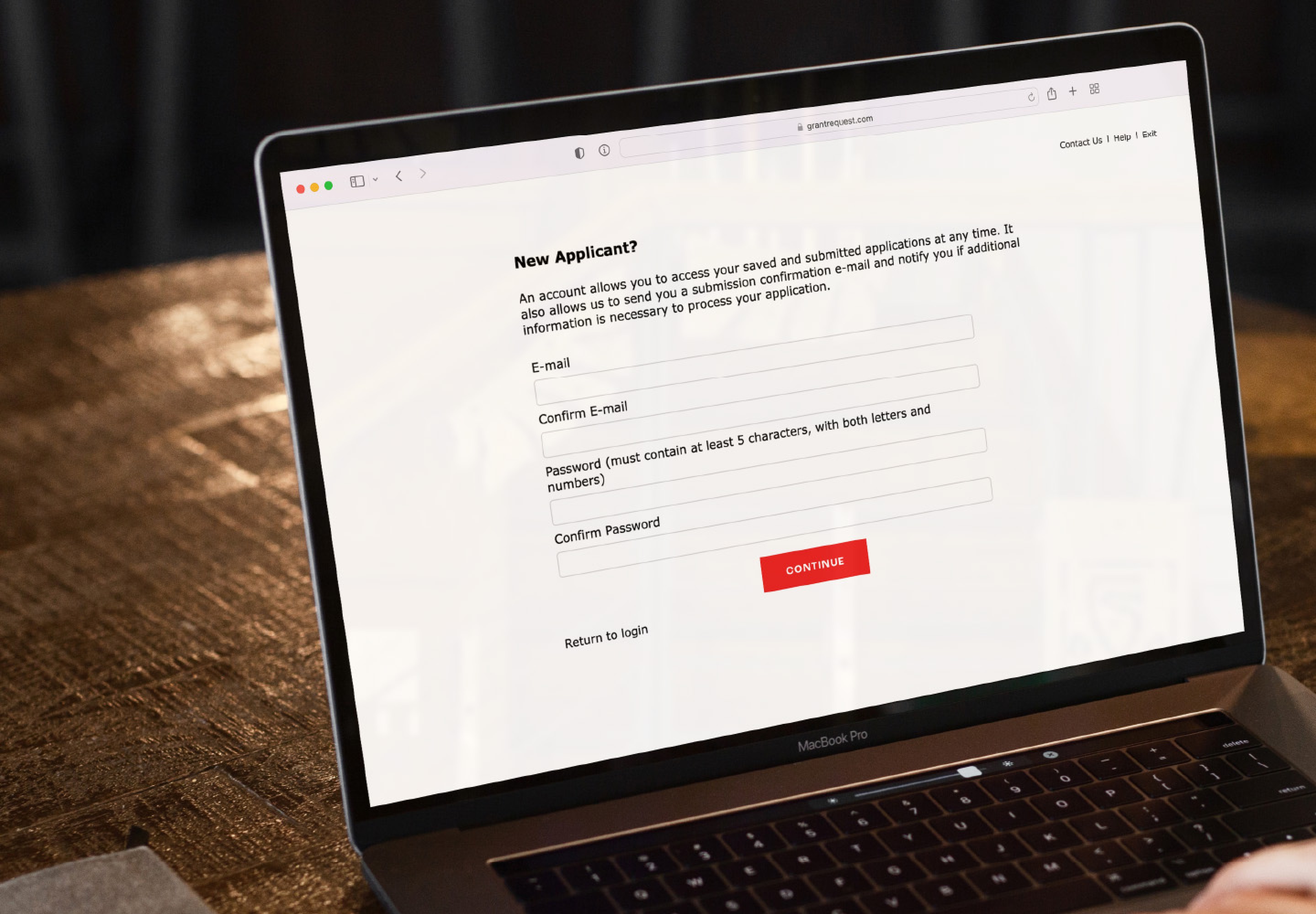
Sign up and apply for DRA Grants.

If you already have an an account, you’re good! Sign up or Login

4

Submit Grant Summary Report.

If your organization received a grant, login to access your grant summary report.

Find the right DRA Grant

There are 2 different types of DRA Grants. Core or Mission.

The DRA considers each unique application on a case-by-case basis, with the overall goal of people attraction, including population growth, retention and tourism.

DRA Grant Type

Core Grants

Organizations looking for requests up to $50K.

2026 GRANTS AVAILABLE:

Core Grant Overview

The DRA Core Grant program supports projects that align with People Attraction - focusing on population growth, retention, and tourism.

Key details include:

  • Maximum request: up to $50,000
  • Preference given to projects that strengthen organizations through capacity building
  • Funds are provided upfront upon acceptance of the grant award
  • Follow-up reports are required within 12 months of receiving funds
  • Multi-year funding requests will be considered

Key Dates

  • Application Available: Monday, May 4, 2026
  • Application Deadline: Friday, May 15, 2026
  • Grant Award Announcement: Tuesday, July 21, 2026

Grant Focus

Applications must align with the mission of People Attraction. This supports the DRA's mission of fostering social, economic, and community betterment while reducing the burden on the City of Dubuque and surrounding governments. It also reflects our vision of serving as a dynamic community resource and a catalyst for enhancing the quality of life and financial well-being of the tri-state community.

Capacity Building

Historically, the DRA primarily funded material items. Beginning in 2022, the program evolved to emphasize capacity building in addition to tangible purchases, helping organizations strengthen their operations, expand impact, and build long-term sustainability.

What is Capacity Building?

Capacity building is the process of developing and strengthening the skills, systems, and strategies organizations and communities need to adapt, grow, and thrive in a changing environment. 

Examples of capacity building activities:

  • Planning & Strategy - Conducting organizational assessments, strategic planning, or developing growth and sustainability plans.
  • Organizational Systems & Operations - Upgrading databases, financial systems, volunteer management tools, or internal processes that improve efficiency.
  • Marketing & Fund Development - Creating or improving websites, branding, communication materials, or donor engagement tools that strengthen visibility and fundraising,
  • Partnerships & Collaboration - Building stronger relationships with community partners, professional advisors, and other nonprofits to increase impact.
  • Professional & Leadership Development - Providing training, attending conferences, or other learning opportunities for staff and volunteers.
  • Financial Accountability & Readiness - Completing first-time or expanded financial audits or reviews that position the organization for future funding opportunities.

Coverage Area

The DRA’s geographic focus is the tri-state area, with an emphasis on Dubuque and its contiguous counties:

  • Iowa - Clayton, Delaware, Jackson, and Jones
  • Wisconsin - Grant, Lafayette, and Iowa
  • Illinois - Jo Daviess

Eligible Organizations

Eligible nonprofit organizations and units of government are encouraged to apply. Each application is reviewed on a case-by-case basis for its alignment with People Attraction.

Applications are welcome from organizations across all sectors, including:

  • Animal Welfare
  • Arts, Culture & Recreation
  • Civic & Community
  • Education
  • Emergency Services
  • Governmental
  • Health & Human Services
  • Religious Affiliation
  • Veterans

Eligibility Requirements

To be eligible for the 2026 Core Grant cycle:

  • Any prior DRA Mission or Core Grant must be fully closed, the project completed and the Grant Summary Report submitted, prior to applying.
  • Applicants must be a non-profit, tax-exempt organization with one of the following designations: 501(c)(3), 501(c)(4), 501(c)5, 501(c)6, 501(c)(7), 501(c)(8), 501(c)(10), or 501(c)(19); or a unit of political subdivision (e.g., city, town, or conservation district).
  • Each 501(c) organization may submit one application.
  • The name on the application must match the name on the IRS determination letter.
  • Individual schools, churches, and volunteer fire departments will not need to provide a 501(c) letter if they are exempt by law or covered under a municipal exemption.
  • Cities, towns, villages, and counties are limited to one application per jurisdiction and must include a statement of support from the respective administrator or governing body.

School Eligibility

  • Applications must be submitted through the district office (or approved by the school principal/administrator if no district office exists).
  • Each district should submit one application encompassing all schools within the district.
  • If an affiliated nonprofit applies on behalf of a school, the organization must hold its own 501(c) status and include a letter from school administration confirming that the school district will not apply independently.

Eligibility Limitations

DRA Core Grants will NOT fund:

  • Capital campaigns
  • Political causes, candidates and lobbying
  • Individuals, including scholarships and personal benefits
  • Debt repayment or purchases made prior to the 2026 calendar year

Scoring Criteria

Applications will be evaluated on the following criteria:

  • DRA Mission Alignment: How well does the project advance People Attraction goals?
  • Organizational Alignment: Fit with the applicant's mission and long-term strategy.
  • Project Description: Clarity, purpose, and execution plan.
  • Nature of Need: Evidence-based justification and community demand.
  • Collaboration & Partnerships: Demonstrated cooperation and shared goals.
  • Agency Overview: Capacity and readiness to deliver results.
  • Budget & Financial Feasibility: Realistic costs, transparency, and sustainability.
  • Measurement of Success: Defined outcomes and metrics for impact.

Recognition of Funding

All funded organizations must properly acknowledge DRA support. Recognition may include:

  • Press Release announcing the grant award and project impact
  • Social media post highlighting the partnership
  • Use of the DRA logo lock-up on materials
  • Signage or on-site acknowledgement at project locations or events.
DRA Grant Type

Mission Grants

Organizations looking for requests from $50k - $500k.

2026 GRANTS AVAILABLE:

Mission Grant Overview

The DRA Mission Grant program is designed for bold ideas that have the potential to create transformational change and advance People Attraction - driving population growth, retention, and tourism.

Key details:

  • Requests from $50,000 or more will be accepted
  • Preference given to projects that strengthen organizations through capacity building
  • Funds are provided upfront upon acceptance of the grant award
  • Follow-up reports are required within 12 months of receiving funds
  • Multi-year funding requests will be considered
  • Two-Phase Application Process:
    • Phase 1: Submit the application outlining the project and impact
    • Phase 2: Selected applicants will present their proposal to the grant committee with a Q&A session.

Key Dates

  • Application Available: Monday, April 6, 2026
  • Application Deadline: Friday, April 17, 2026
  • Grant Award Announcement: May/June 2026

Grant Focus

Applications must align with People Attraction, supporting population growth, retention, and tourism. This focus advances the DRA’s mission to foster community betterment and strengthen the quality of life and economic vitality across the tri-state area.

Capacity Building

Historically, the DRA primarily funded material items. Beginning in 2022, the program evolved to emphasize capacity building in addition to tangible purchases, helping organizations strengthen their operations, expand impact, and build long-term sustainability.

What is Capacity Building?

Capacity building is the process of developing and strengthening the skills, systems, and strategies organizations and communities need to adapt, grow, and thrive in a changing environment.

Examples of capacity building activities:

  • Planning & Strategy - Conducting organizational assessments, strategic planning, or developing growth and sustainability plans.
  • Organizational Systems & Operations - Upgrading databases, financial systems, volunteer management tools, or internal processes that improve efficiency.
  • Marketing & Fund Development - Creating or improving websites, branding, communication materials, or donor engagement tools that strengthen visibility and fundraising,
  • Partnerships & Collaboration - Building stronger relationships with community partners, professional advisors, and other nonprofits to increase impact.
  • Professional & Leadership Development - Providing training, attending conferences, or other learning opportunities for staff and volunteers.
  • Financial Accountability & Readiness - Completing first-time or expanded financial audits or reviews that position the organization for future funding opportunities.

Coverage Area

The DRA’s geographic focus is the tri-state area, with an emphasis on Dubuque and its contiguous counties:

  • Iowa - Clayton, Delaware, Jackson, and Jones
  • Wisconsin - Grant, Lafayette, and Iowa
  • Illinois - Jo Daviess

Eligible Organizations

Eligible nonprofit organizations and units of government are encouraged to apply. Each application is reviewed on a case-by-case basis for its alignment with People Attraction.

Applications are welcome from organizations across all sectors, including:

  • Animal Welfare
  • Arts, Culture & Recreation
  • Civic & Community
  • Education
  • Emergency Services
  • Governmental
  • Health & Human Services
  • Religious Affiliation
  • Veterans

Eligibility Requirements

To be eligible for the 2026 Mission Grant cycle:

  • Any prior DRA Mission or Core Grant must be fully closed, the project completed and the Grant Summary Report submitted, prior to applying.
  • Applicants must be a non-profit, tax-exempt organization with one of the following designations: 501(c)(3), 501(c)(4), 501(c)5, 501(c)6, 501(c)(7), 501(c)(8), 501(c)(10), or 501(c)(19); or a unit of political subdivision (e.g., city, town, or conservation district).
  • Each 501(c) organization may submit one application.
  • The name on the application must match the name on the IRS determination letter.
  • Individual schools, churches, and volunteer fire departments will not need to provide a 501(c) letter if they are exempt by law or covered under a municipal exemption.
  • Cities, towns, villages, and counties are limited to one application per jurisdiction and must include a statement of support from the respective administrator or governing body.

School Eligibility

  • Applications must be submitted through the district office (or approved by the school principal/administrator if no district office exists).
  • Each district should submit one application encompassing all schools within the district.
  • If an affiliated nonprofit applies on behalf of a school, the organization must hold its own 501(c) status and include a letter from school administration confirming that the school district will not apply independently.

Eligibility Limitations

The DRA Mission Grants will NOT fund:

  • Endowment funds
  • Political causes, candidates and lobbying
  • Individuals, including scholarships and personal benefits
  • Debt repayment or purchases made prior to the 2026 calendar year

Scoring Criteria

Applications will be evaluated on the following criteria:

  • DRA Mission Alignment: How well does the project advance People Attraction goals?
  • Organizational Alignment: Fit with the applicant's mission and long-term strategy.
  • Project Description: Clarity, purpose, and execution plan.
  • Nature of Need: Evidence-based justification and community demand.
  • Collaboration & Partnerships: Demonstrated cooperation and shared goals.
  • Agency Overview: Capacity and readiness to deliver results.
  • Budget & Financial Feasibility: Realistic costs, transparency, and sustainability
  • Measurement of Success: Defined outcomes and metrics for impact.

Recognition of Funding

All funded organizations must properly acknowledge DRA support. Recognition may include:

  • Press Release announcing the grant award and project impact
  • Social media post highlighting the partnership
  • Use of the DRA logo lock-up on materials
  • Signage or on-site acknowledgement at project locations or events.

Looking for sponsorships?

All sponsorship requests for the DRA, Q Casino + Resort, and affiliated entities should be submitted through our sponsorship request form.

Types of organizations that can apply:

Nonprofit organizations that meet eligibility requirements (see above) are encouraged to file a grant application. The DRA considers each unique application on a case-by-case basis, including those that address needs in the following areas:

Still have
questions?

If you have questions that are not covered in the above guidelines, email us!

Ready
to apply?

Awesome! Applying is easy, click the button below to get started.

Grant Summary
Report

Login to complete your Grant Summary Report.